How to recognise a good Swiss pine product — a buyer's guide
Published on
Swiss pine sells well, and that attracts people. Alongside workshops that have worked this wood for generations sits merchandise that shares little with Swiss pine beyond the name. These six points help you tell them apart — in a shop as much as online.
1. Does it smell when you rub it?
The simplest test. Real Swiss pine releases its scent immediately when rubbed with a thumb, even after years. If a piece smells strongly only on the surface and not at all where it has been sanded, it has had help — usually fragrance oil on a cheaper conifer.
2. Are the knots where they belong?
Swiss pine is a knotty wood. Small, firm, dark knots are its signature and not a flaw. A piece that looks completely uniform and knot-free either comes from the most expensive part of the trunk or is not Swiss pine at all.
3. Solid or glued?
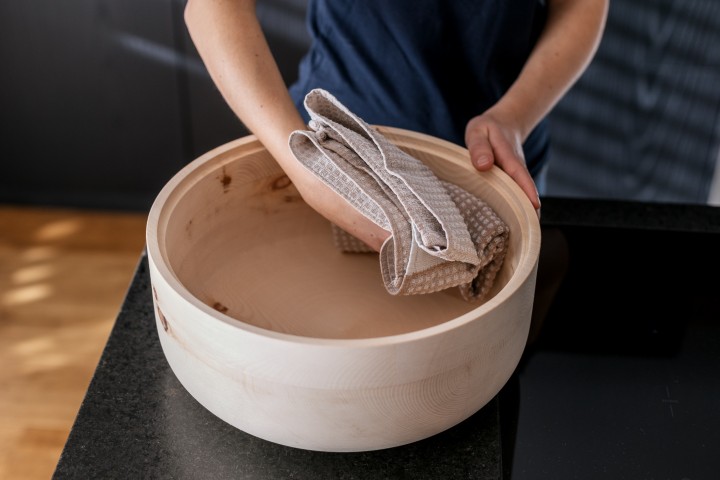
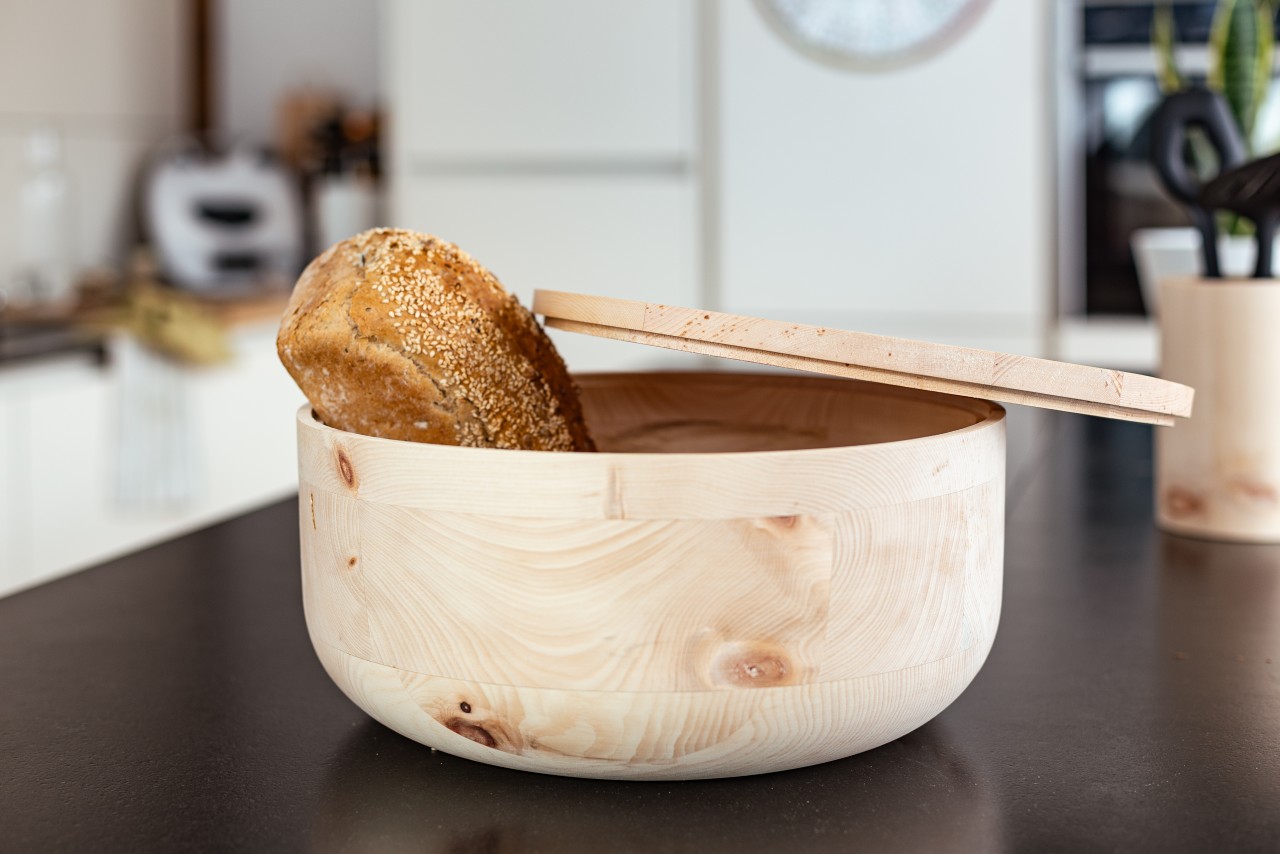
On a turned bowl you can see it in the grain: if it runs continuously around the wall, it is one piece. If you can see straight lines a few centimetres apart, strips have been glued up. Glued is not automatically inferior — over large surfaces it is actually more stable. On a small bowl, though, it points to cheaper production.
4. How does the surface feel?
Untreated or oiled wood feels warm and slightly absorbent. Varnished wood feels cool and smooth like plastic — and no longer smells. If you are buying Swiss pine for the scent, avoid varnished pieces.
5. Does it say where the wood came from?
Serious sellers name the region. Swiss pine grows throughout the Alps and in the Carpathians; Eastern European timber is not inferior, but anyone writing “Alpine Swiss pine” without evidence is selling a feeling. Do ask — a business that works the wood itself can answer the question.
6. Is the price plausible?
A hand-turned bowl is one to two hours of work plus the wood plus drying time that can run into months. Anyone offering a 25 cm bowl for twenty euros did not turn it, they produced it in series on a copy router. That can still be decent merchandise — it simply should not be presented as hand work.
And what you can safely ignore
Health promises with big numbers. When a seller advertises medical effects rather than the wood, that says more about the seller than about the product.