Swiss stone pine and sleep: what the research actually shows
Published on
Anyone searching for Swiss stone pine soon meets a number: 3,500 fewer heartbeats a day. It is repeated in advertising copy so often that almost nobody asks where it comes from. We have worked with this wood for years, and we think Swiss pine does not need to be oversold. So here is what was actually studied.
The Joanneum Research study
The familiar number goes back to a study by the Joanneum Research institute in Weiz, Styria, from 2003. It looked at how people respond to time spent in a room lined with Swiss stone pine compared with a visually identical room finished in wood-effect laminate. Heart rate, heart rate variability and subjective wellbeing were among the things measured.
The result: in the Swiss pine room the heart rate was lower, particularly during periods of exertion and at night. Extrapolated over a day, that gave the saving in heartbeats now quoted everywhere. Participants also reported better recovery and less of a sense of tension.
What the study does not say
Honesty requires the other half: it was a small study with few participants, it is more than twenty years old, and it has not been repeated at scale. It demonstrates no healing effect, it does not treat a sleep disorder, and it is no substitute for seeing a doctor. Anyone with persistent sleep problems is better served by a medical assessment than by a piece of wood.
What can be said seriously: Swiss stone pine smells good, it keeps doing so for years, and many people find that scent calming. That is not a small thing — smell acts directly on the parts of the brain responsible for mood and memory. Whether it turns into measurably better sleep depends on the person.
Where the scent comes from
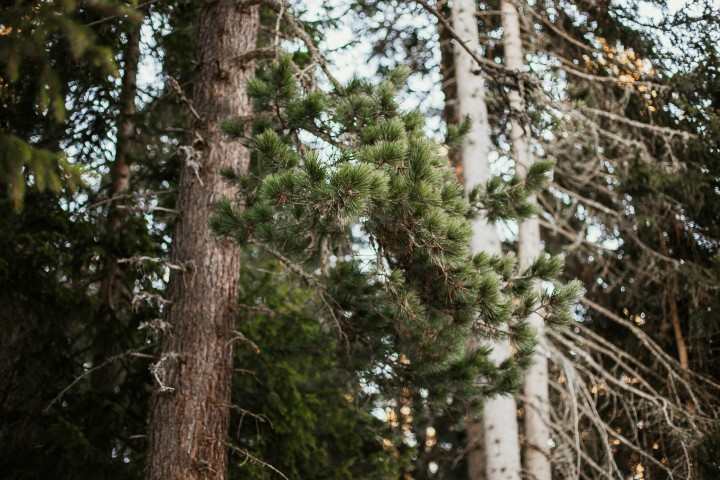
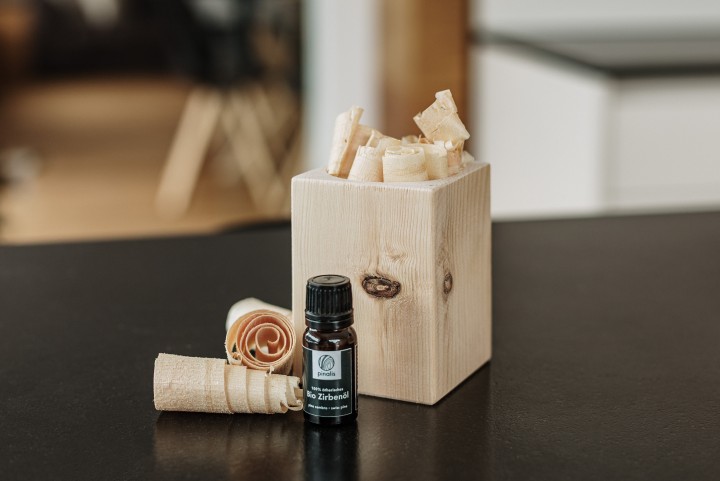
The essential oils in the wood are responsible, above all pinosylvin. Swiss stone pine (Pinus cembra) grows at the tree line, often above 1,800 metres, and takes many years to add a centimetre of diameter. That slow growth is the reason for the high oil content — and the reason a piece of Swiss pine still smells after decades if you sand it lightly.
What actually reaches the bedroom
From our experience, quantity is what makes the difference. A small decorative object on a shelf has a scent, but it does not change the air of a room. You notice it with
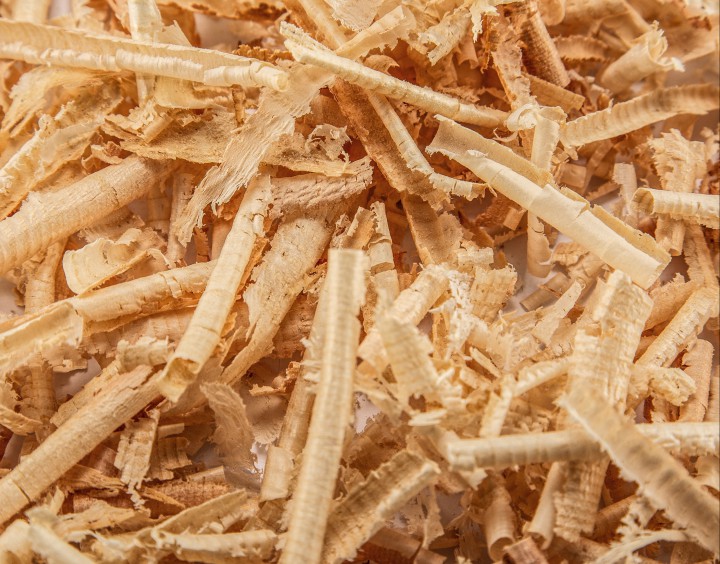
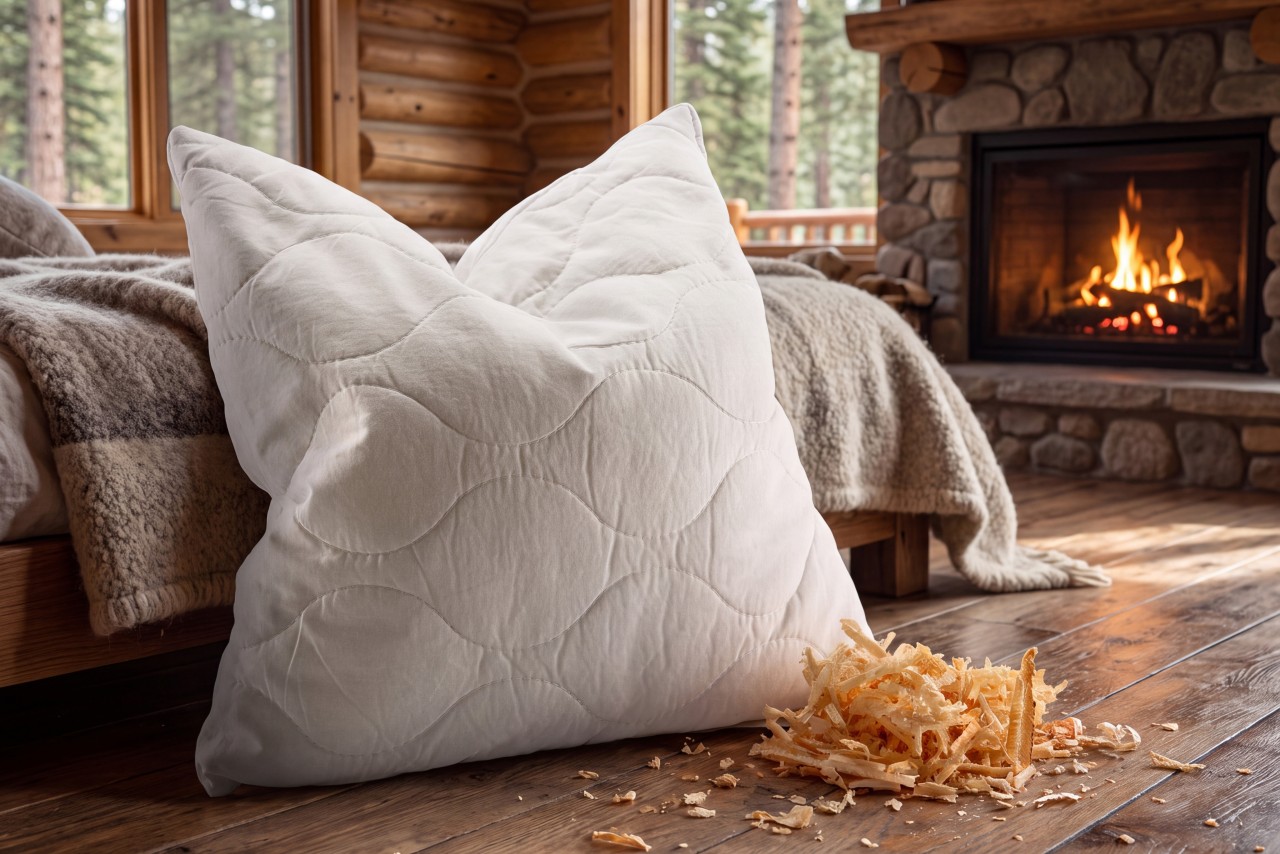
- a cushion filled with pine shavings next to your pillow,
- an open bowl of pine curls on the bedside table,
- or, most clearly of all, a Swiss pine bed.
The scent is strong at first and settles down after a few weeks. It has not gone — the wood releases less, and your nose adjusts. Light sanding with fine paper, or simply kneading the shavings through, brings it back.
Our advice
Buy Swiss pine because it smells good, ages beautifully and comes from a forest that should still be there in fifty years. If you sleep more soundly: all the better. But do not let anyone promise you what a piece of wood cannot deliver.